

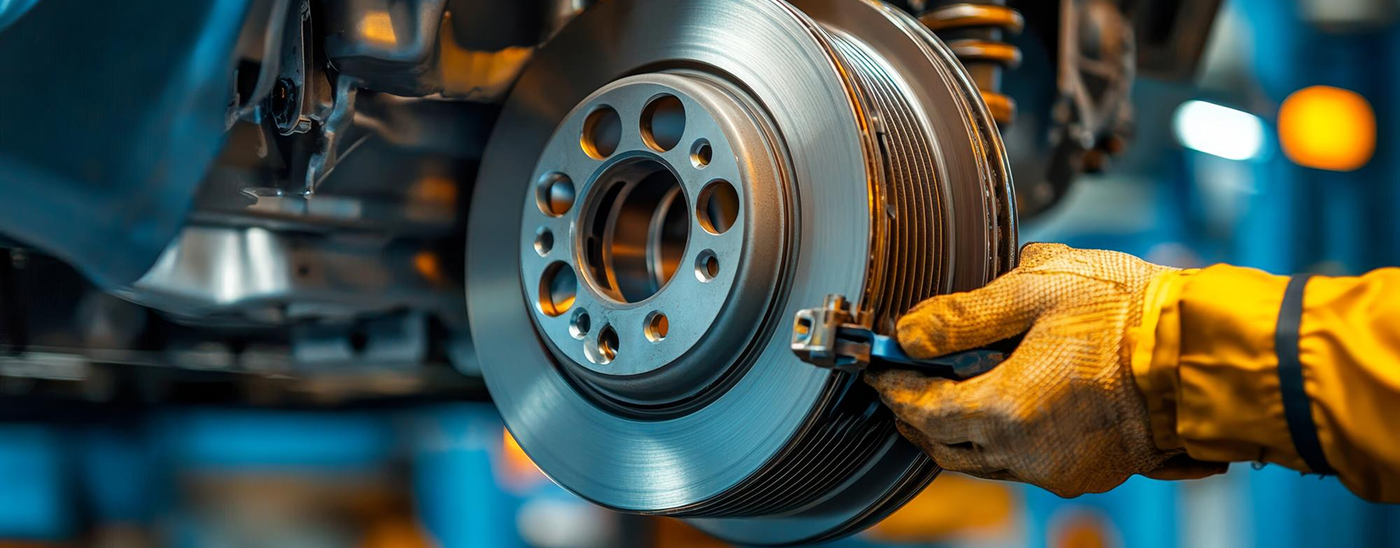
Brake pads are one of the most important components of your vehicle’s braking system. Every time you press the brake pedal, the pads create friction against the brake rotors to slow or stop your car. Because they wear down gradually, regular inspection is essential for maintaining safe and reliable braking performance.
Knowing when to replace your brake pads can help prevent reduced stopping power and expensive damage to other brake components. While replacement intervals vary depending on driving habits and vehicle type, paying attention to warning signs can help you identify worn pads before they become a serious problem.
“Replacing worn pads early can prevent bigger and more expensive brake repairs.”
1. Check the Brake Pad Thickness
Brake pads become thinner as they are used. During routine servicing, a technician can inspect their thickness and recommend replacement when they approach the manufacturer’s minimum specification.
2. Listen for Squealing
A high-pitched squealing sound when braking can indicate that the brake pads are reaching the end of their service life. Some pads include wear indicators designed to produce this warning noise.
3. Watch for Grinding Sounds
Grinding is a serious warning sign that should not be ignored. It can mean the friction material has worn away, allowing the metal backing to contact the rotor and potentially cause significant damage.
4. Notice Changes in Stopping
If your vehicle requires more distance to stop than usual, worn brake pads may be contributing to reduced braking performance. Have the braking system inspected promptly.
5. Check for Brake Dust
Some brake dust is normal, but a sudden change or uneven amount of dust around the wheels may indicate brake-related issues. Regular wheel and brake inspections can identify potential problems.
6. Pay Attention to Vibrations
A vibrating brake pedal or steering wheel while braking may indicate uneven brake components. Although not always caused by brake pads, vibrations should be professionally inspected.
7. Follow Your Service Schedule
Your vehicle manufacturer provides recommended inspection and maintenance intervals. Following these guidelines helps ensure brake pads and related components are checked before excessive wear develops.


“Very informative article! I didn’t know that squealing could be an early warning that brake pads need attention.”
“Great tips and easy to understand. Regular brake inspections are definitely something every driver should take seriously.”
“Helpful information about brake pad wear. I’ll make sure to have mine checked during my next service.”